2026 February: Teen Dating Violence Awareness Month
February is typically associated with love and relationships. We often find our first love or “puppy love” in our teens. Since these early crushes or relationships set the tone for what is and will be tolerated in their years to come, it is essential to teach teens what a healthy relationship looks like and feels like. By modeling healthy relationships, teens learn what behaviors are acceptable and appropriate.
Teen Dating Violence is a serious issue and is becoming more prevalent in adolescent relationships. Teen Dating Violence is defined as the physical, sexual, or psychological/ emotional abuse within a dating relationship among adolescents. Verbal, physical, and sexual violence are common in teen relationships and are becoming even more common.
Loveisrespect.org reports, “Teen dating violence is more common than many people think. One in three teens in the U.S. will experience physical, sexual, or emotional abuse by someone they are in a relationship with before they become adults. And nearly half (43%) of college women report experiencing violent and abusive dating behaviors.” According to the National Institute of Justice, “Native American adolescents experience violence at rates higher than any other racial group in the United States, with 56.4 percent reporting experiencing sexual violence, physical violence, or stalking by an intimate partner in their lifetime.”
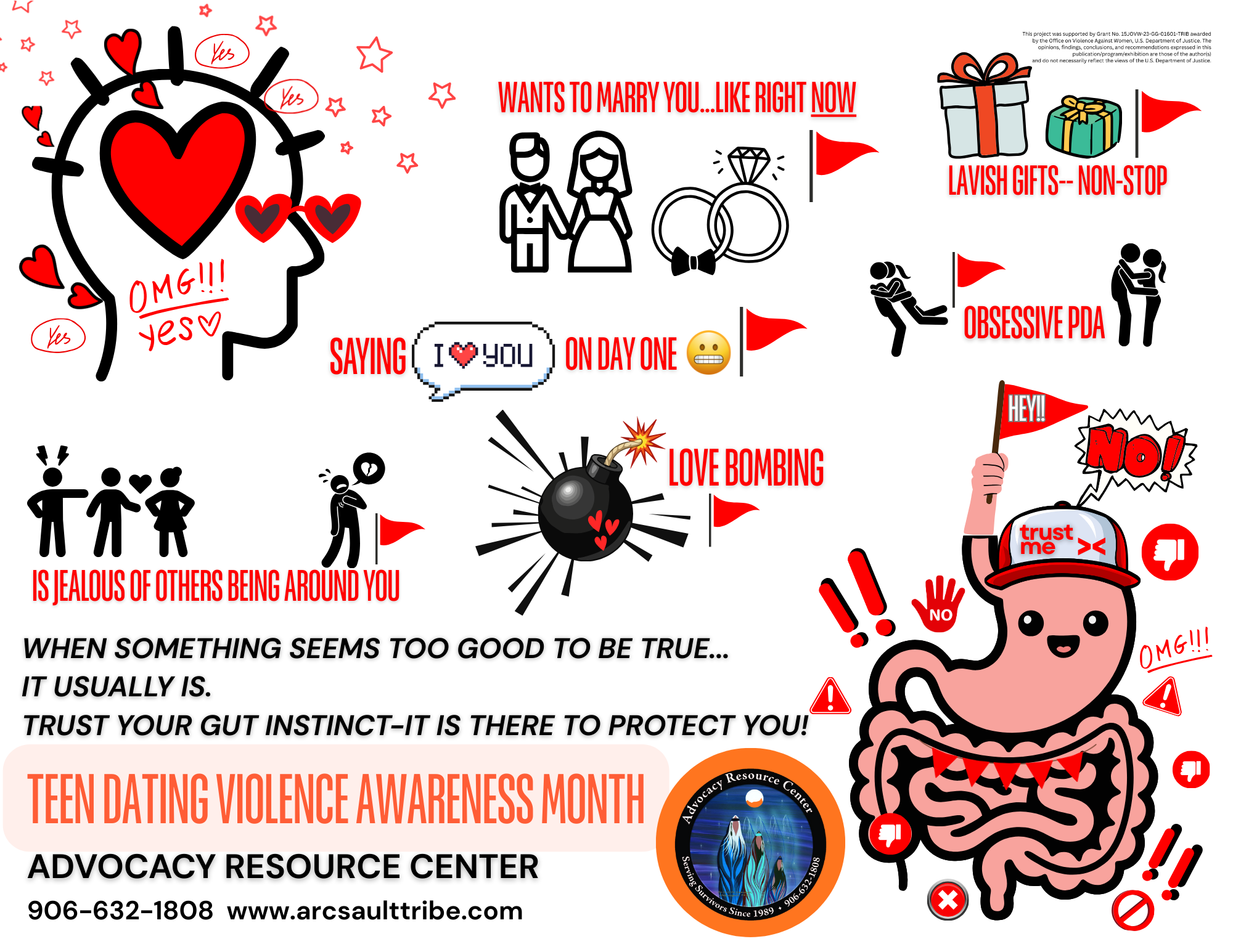
ARC aims to educate teens on the importance of healthy relationships and what red flags of unhealthy relationships look like. Red flags in unhealthy relationships might look something like this:
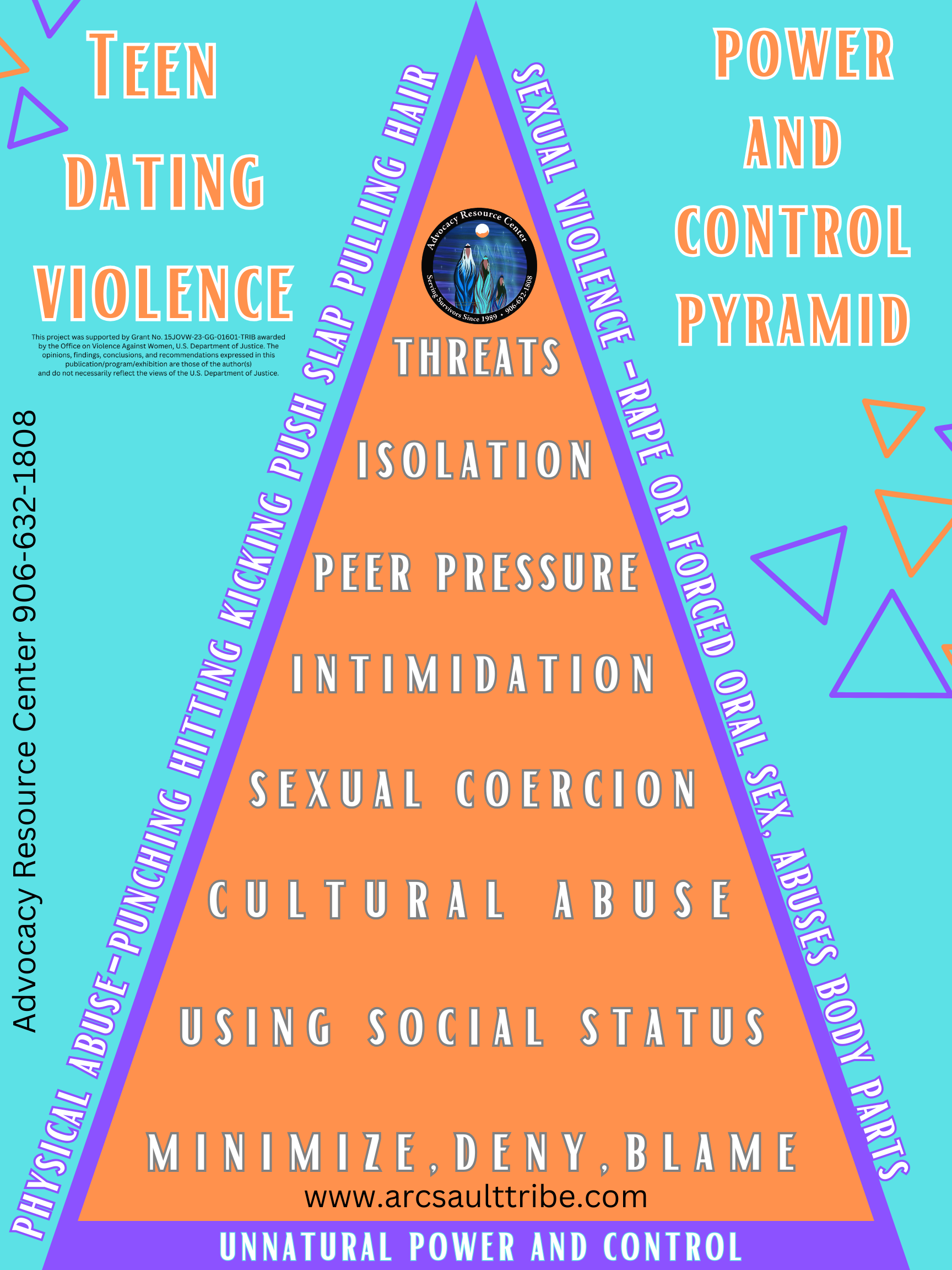
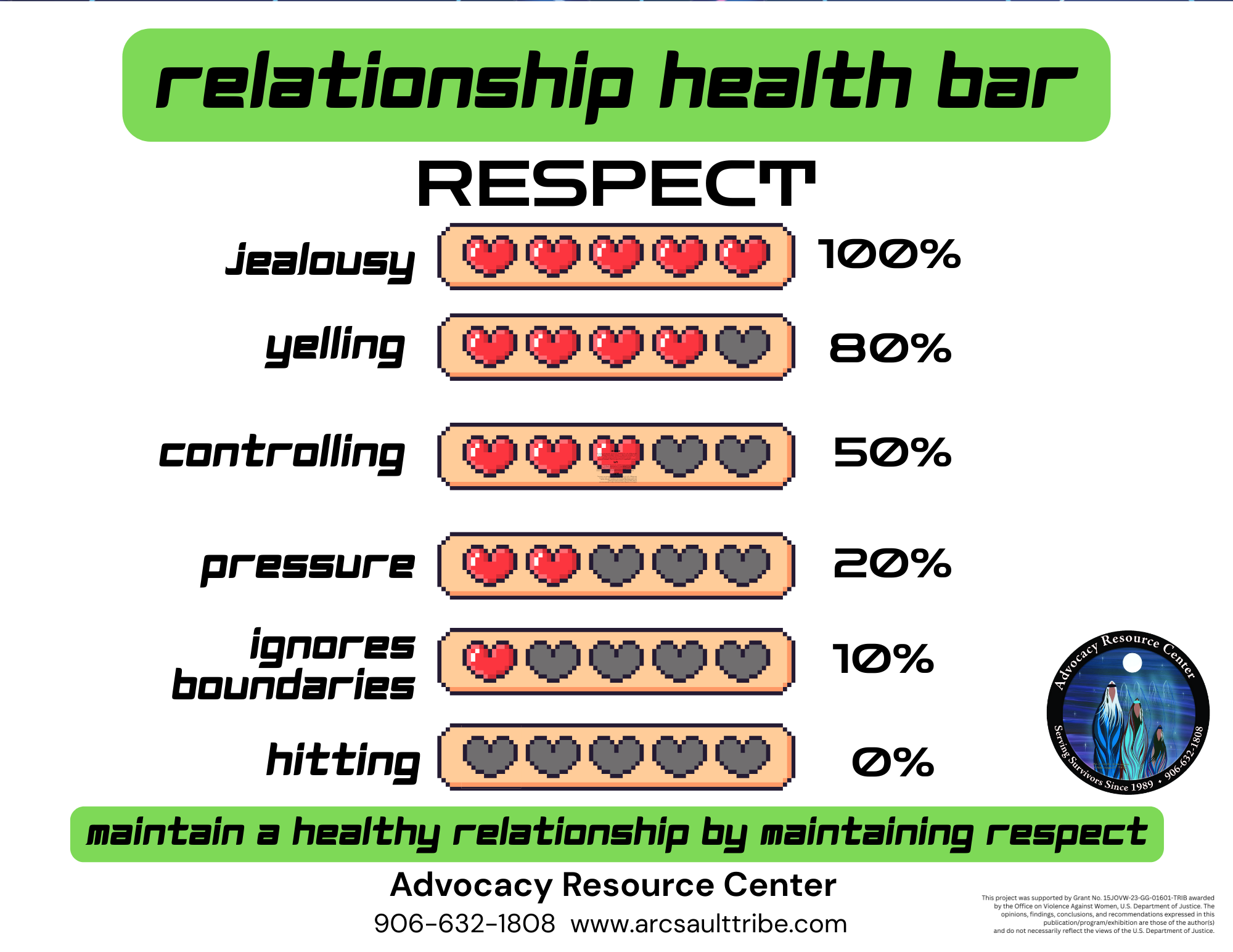
Physical Abuse: Hitting, punching, shoving, restraining, biting, scratching, hair pulling, pinching, or anything that causes harm to another person.
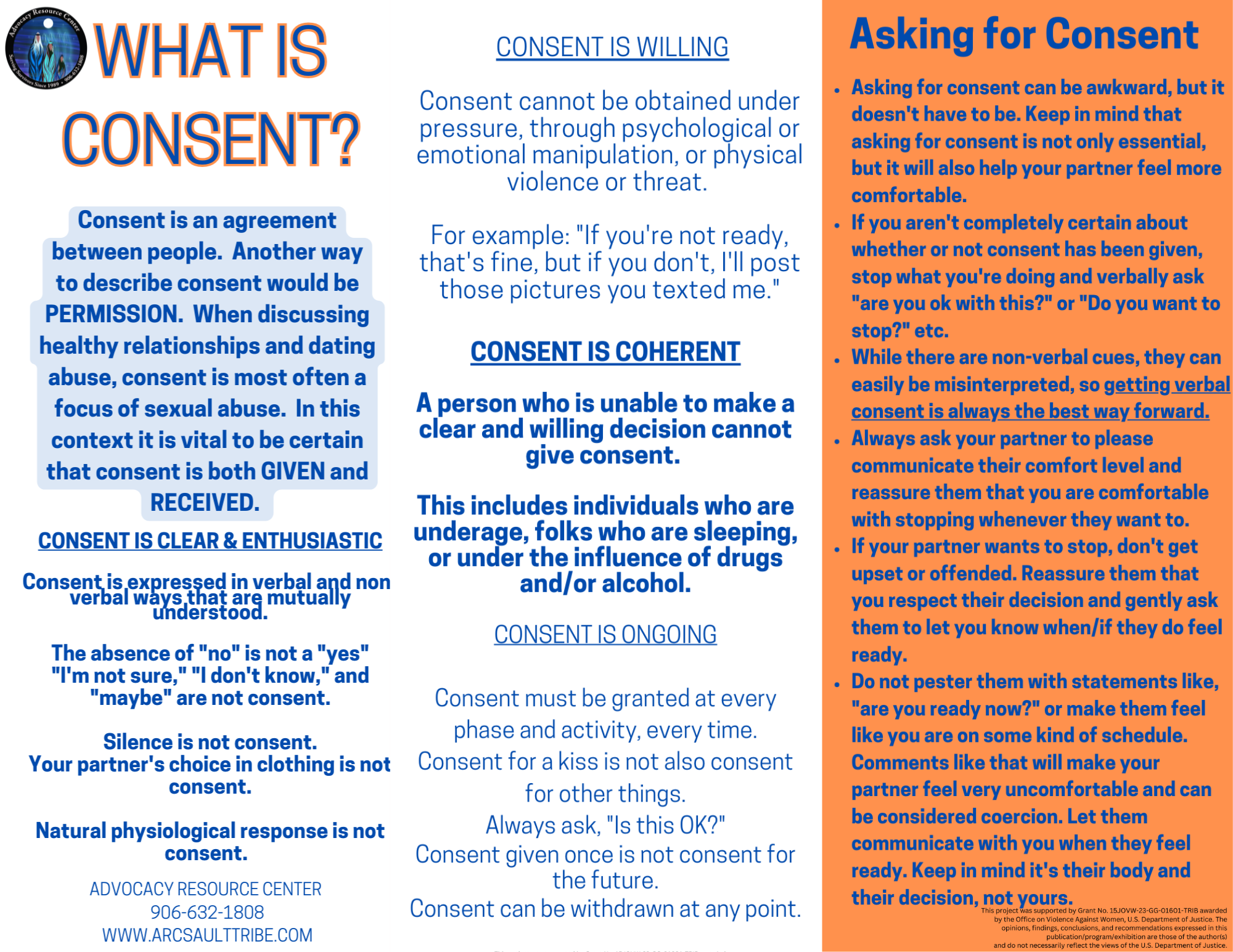
Sexual Abuse: Pressuring or forcing a partner to engage in unwanted sexual activity, using social media or text messages to pressure partners to share photos, raping or coercing a partner to perform sexual acts, preventing the use of birth control or other forms of contraception
Verbal Abuse: Name-calling, yelling, insulting, embarrassing, criticizing, etc. Psychological Abuse: Using threats and intimidation, such as threatening to end the relationship, threats to cause harm to themselves or others, threats to commit suicide, or to cause harm to pets or property. Using controlling tactics such as not allowing the partner to see friends or family, or preventing them from going places, controlling what clothes are worn, extreme jealousy, spreading rumors, minimizing behaviors, or blaming the partner for their abusive actions.
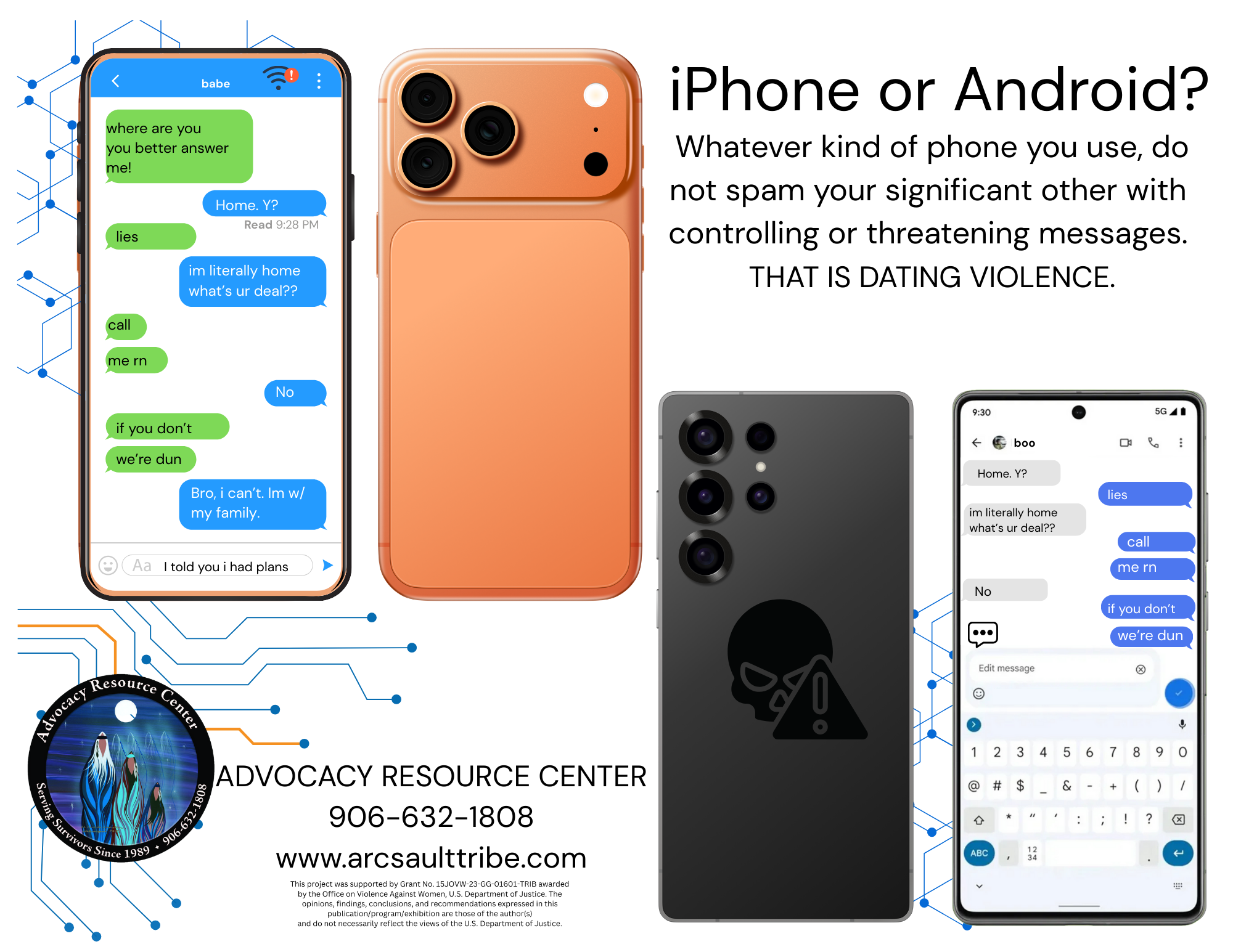
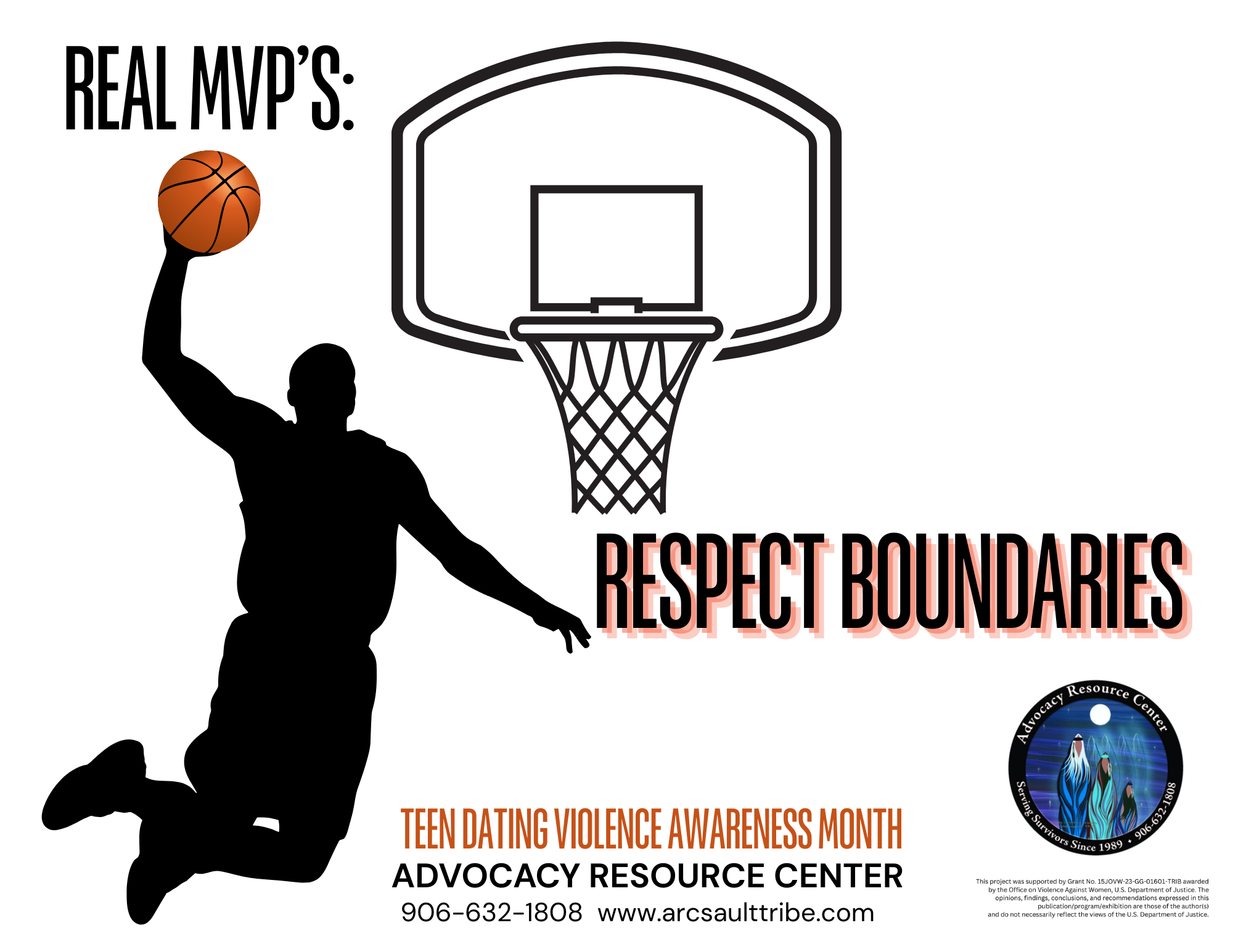
Using Technology: Excessive texting, messaging, or calling, cyberbullying, checking a partner’s phone without permission, using location services to track a partner, stalking, creating fake profiles to spy on a partner, posting on a partner's social media, messaging others about a partner, etc. Look for green flags in relationships, which typically include being respectful, listening actively, respecting boundaries, being kind, helpful, and supportive, and not using power and control to guide the relationship. For parents, while teen dating violence is on the rise, it can be prevented.
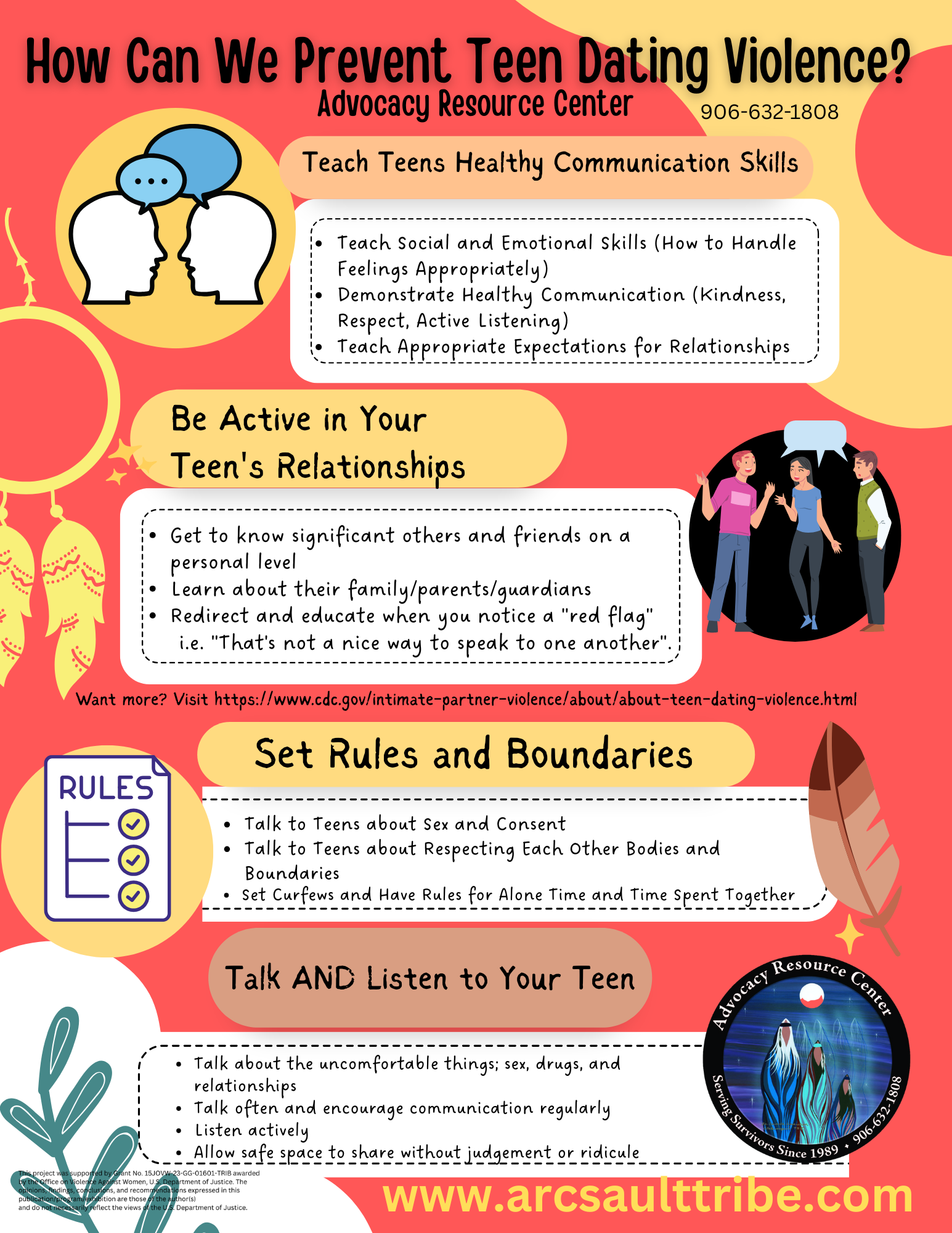
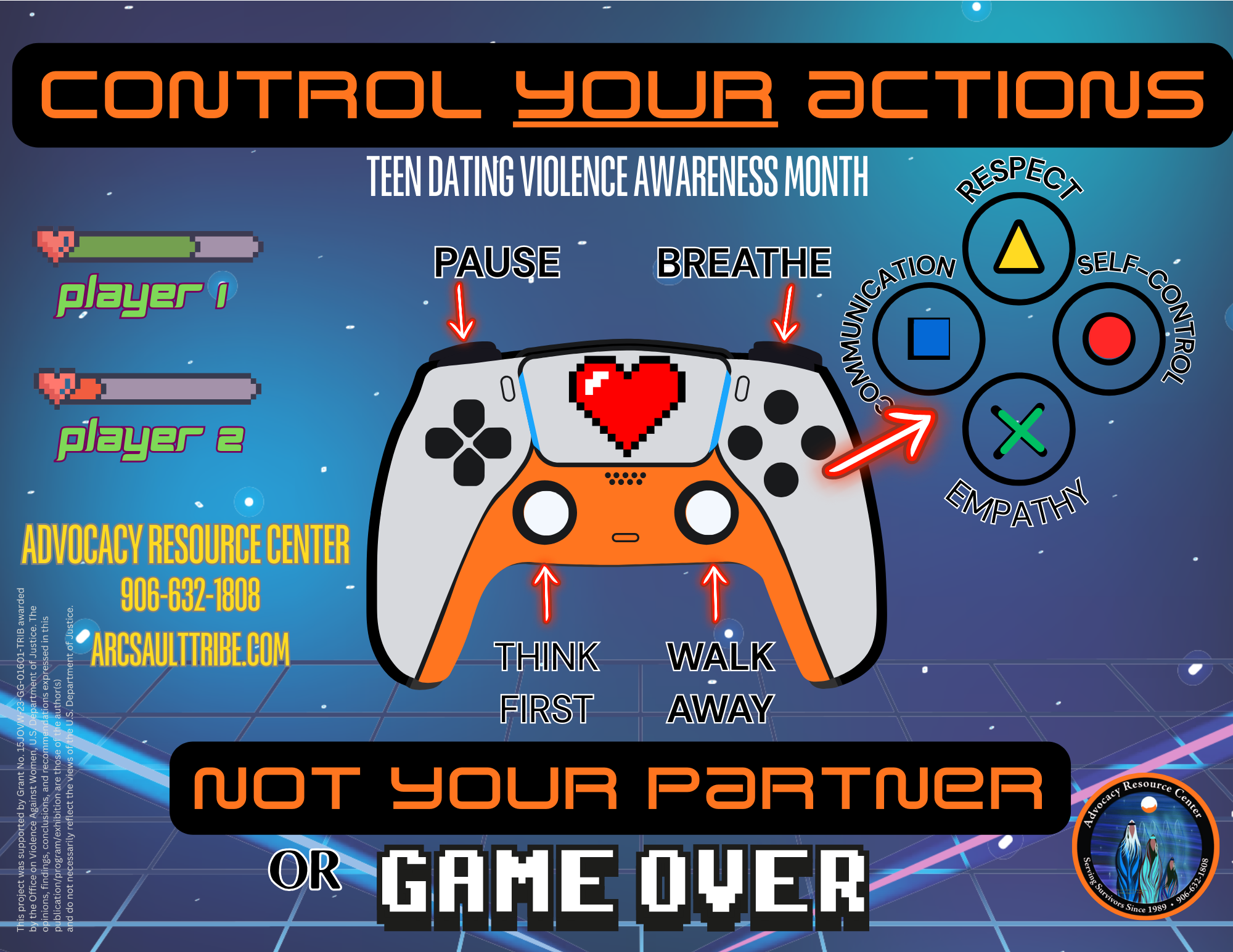
Pre-teens and teens must learn the skills needed to create and maintain healthy relationships. These skills may include: managing feelings appropriately, communicating healthily, respecting boundaries, and having appropriate expectations of others. It is essential to talk to teens and maintain an open line of communication. It is not always easy for teens to express their feelings to adults, but knowing they have someone willing to listen is vital.
For teens, if you find yourself in an abusive relationship or feel you are being treated inappropriately, please tell someone and consider ending the relationship. If your partner is making you feel uncomfortable or forcing or coercing you to do things you disagree with, please know that you are not alone. Help available. Everything is confidential.
The Advocacy Resource Center has a wealth of information available and the compassion to assist with teen dating violence and provide care and support to those in need. Teen Dating Violence does not discriminate, and it is our job to teach, to protect, and to demonstrate healthy relationships. We must help our adolescents understand and appreciate their worth. Let them know they are not alone, and help is always available.
The Advocacy Resource Center can be reached at 906-632-1808. Also, look for more information on our website at www.arcsaulttribe.com or on our Facebook at www.facebook.com/saulttribeARC. LOVE SHOULDN’T HURT. Submitted by the Advocacy Resource Center
This project was supported by Grant No. 15JOVW-23-GG-01601-TRIB awarded by the Office on Violence Against Women, U.S. Department of Justice. The opinions, findings, conclusions, and recommendations expressed in this publication/program/exhibition are those of the author(s) and do not necessarily reflect the views of the U.S. Department of Justice.